
How to Choose the Right Areca Nut Grades: The Ultimate Guide for Global Importers
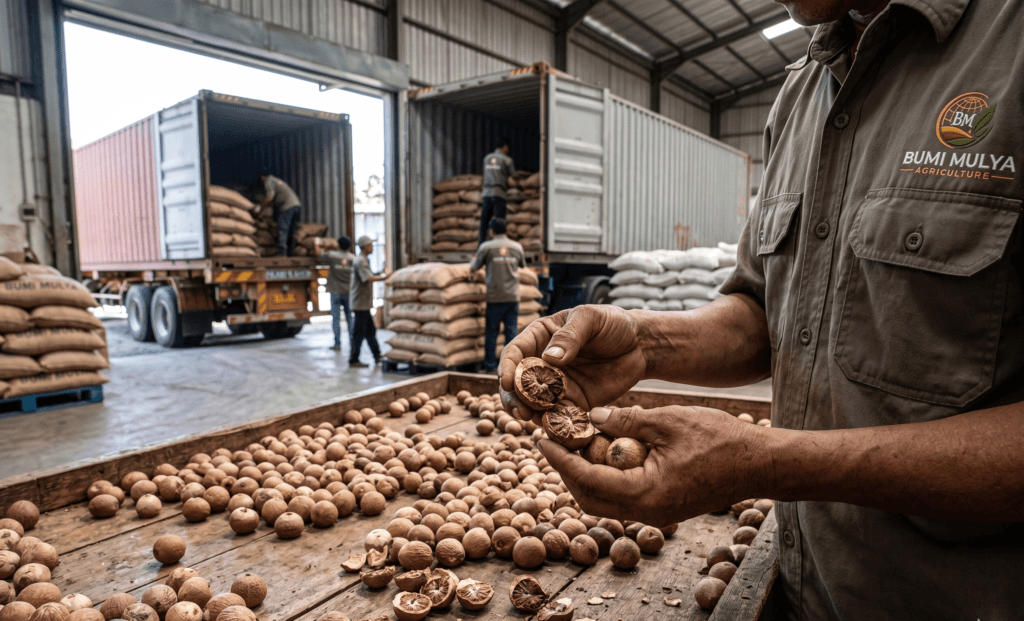
Navigating the areca nut market? Learn how to identify the right areca nut grades, understand moisture specifications, and source premium quality for your global business.
The global trade of areca nuts (betel nuts) is a multi-million dollar industry, driven by diverse applications ranging from traditional consumption to industrial extracts. However, for a global importer, the sheer variety of areca nut grades can be overwhelming. Choosing the wrong grade or failing to meet specific moisture standards can lead to significant financial losses and shipment rejections.
To secure your supply chain and maintain product consistency, understanding the grading system is non-negotiable. This guide will help you navigate the complexities of sourcing premium areca nuts from Indonesia.
1. Understanding the Grading System
Areca nuts are primarily categorized by their physical state, size, and appearance. While global standards vary slightly by region, the most common classifications include:
- Whole Nut (Split/Unhusked): These are the most sought-after for their aesthetic appeal and intended use in specific markets.
- Split Nut (Sliced): Often graded by the cut (e.g., 80% to 90% split). These are popular for industrial processing and bulk usage.
- Size Grading: Typically categorized by diameter (e.g., 30mm–45mm). Importers should always verify the diameter consistency within the batch to ensure uniform quality.
2. Critical Quality Indicators
Beyond the size and shape, experienced importers prioritize three key technical indicators:
- Moisture Content: This is the most critical factor. For long-distance shipping, an ideal moisture content ranges between 10% to 15%. Anything higher risks mold growth during transit, while anything lower may result in brittle, inferior nuts.
- Color and Appearance: High-grade areca nuts should exhibit a consistent color (usually brown or light brown for dried nuts). Excessive dark spots or uneven pigmentation often indicate poor drying methods or improper storage.
- Purity and Cleanliness: Premium shipments should be free from foreign materials, including dust, soil, or husk remnants. Mechanical cleaning and manual sorting are essential steps that a reliable supplier must perform.
3. Why Sourcing Matters: Avoiding the Pitfalls
Buying areca nuts through multiple middlemen often leads to “grade mixing,” where premium nuts are combined with lower-grade ones to inflate volume. This lack of transparency is a major pain point for global buyers.
As a direct agricultural supplier, we emphasize a transparent chain of custody. By sourcing directly from local farmers and overseeing the drying and grading processes, we ensure that the product delivered to your port matches the exact technical specifications you requested.
4. Checklist for Your Next Order
Before finalizing your RFQ (Request for Quotation), ensure you have clearly defined the following with your supplier:
- Specific Grade: Are you looking for Whole or Split? Define the cutting percentage.
- Moisture Threshold: Explicitly state the maximum moisture percentage allowed.
- Packaging: Ensure the use of breathable bags (like gunny sacks or high-quality woven bags) to maintain product integrity during sea freight.
Secure Your Premium Areca Nut Supply Today
Don’t let inconsistent quality compromise your market reputation. Whether you are a large-scale distributor or a niche manufacturer, we provide consistent, high-grade areca nuts tailored to your specific industrial requirements.
Ready to discuss your requirements and receive a competitive quote? Contact our sales team directly:
- WA Sales 1 (DONDEE): +62 819-1322-2213 — Click to Chat
- WA Sales 2 (GUGUN): +60 11-3935 3467 — Click to Chat
Our team is ready to provide the transparency and quality your business deserves.